
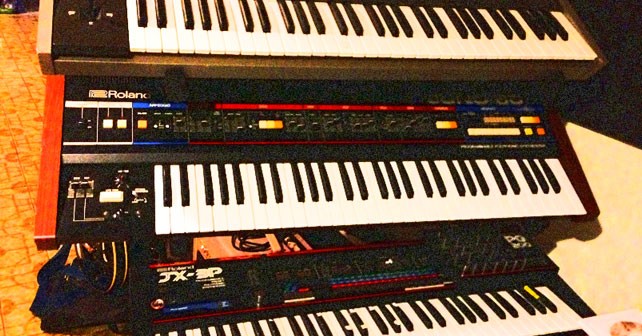
James Harding offers excellent tips for finding the best keyboard for your ministry.
After four years of music ministry training in college and several years leading children, youth, or adults in worship at a variety of different churches, I have seen just about every worship keyboard out there. …and, in all honesty, I didn’t like any of them. Arranger keyboards are hard to learn.
The commentaries were no help either. Beyond “do your research, itemize your needs, and use a well-known local music store,” most articles I read had little meaningful advice.
To my dismay, there were no good sources of information specifically geared towards worship leaders – so I had to learn the hard way. Thankfully, I am a bit of an electronics geek and I also understand the importance of “good stewardship,” so I decided to pass my shopping experiences on to you. I sincerely hope it helps you and your ministry.
While it’s true that you should select the keyboard that will do what you want it to – which creates a massive range of possibilities – it’s also true that most praise band keyboard players have similar needs. …and similar complaints. Here are a few of each –and, brace yourself, here are my recommendations. I pray you find them meaningful.
Common Complaints:
- Too Complicated: Everyone knows the “Big 3.” The Korg Triton, the Roland Fantom, and the Yamaha Motif are all very popular keyboards in churches around the World. Sadly, however, very few worship leaders or praise band keyboardists are able to take full advantage of these expensive instruments because they are so complicated to use. That is because they aren’t designed to be performance keyboards. They’re workstations. They are designed for in-depth sound manipulation and heavy-duty sequencing. These keyboards are excellent for professional players who are writing music, sequencing orchestral pieces, and designing their own accompaniment tracks from scratch. …but for a volunteer (or even many professional) musicians, these keyboards offer too many features. The result is an overwhelmed player, an underused keyboard and a waste of about $3500.
- Doesn’t Sound Good: In an effort to save some money, many churches purchase very basic keyboards for worship (such as the Yamaha P or YDP series and almost anything by Casio). These keyboards are on the opposite side of the spectrum from the Phantom and the Motif. They just don’t soundvery good. They have a variety of features, but few of the professional tones or hookups necessary for today’s worship needs. While it’s important to make sure that you’re not overspending (ie – buying keyboards with features that your worship team will never use or learn to understand), it’s just as important to make sure that you don’t purchase an instrument so basic that its poor sound and lack of versatility get in the way of The Message. Thus, these keyboards – though often less than $1200 – also represent an unsatisfactory choice for most churches.
- Not very portable: In today’s worship scene, praise teams are traveling more than ever. It may be an off-site youth function. It might be a special service at a sister church. The reasons abound. …but not many keyboards out there offer a lightweight chasse, onboard speakers, USB PC connectivity, adjustable stand, and a variety of ports to integrate with the local P.A. system. Thus, worship leaders find themselves doing pretty amazing things to make their keyboards work for them. (I watched one band use 3 different audio adaptors, 2 headphones cables, and some electrical tape just to hook their Yamaha P60 into their PA system!) …but why bring all that extra equipment and stress into the equation? Make sure the keyboard you select can be moved and integrated into professional P.A. systems with ease.
- Automatic Rhythms and pre-recorded tracks: In smaller churches – and in bigger churches when the drummer is out ill – automatic rhythms are a tempting tool for worship. The problem with “automatic” rhythms is that they are just that: automatic. Whether you are ready to move to the second verse yet or not, they are going on. The same thing can be said for accompaniment tracks. There is no room for expression or the freedom to improvise should the minister say “Let’s sing that chorus again!” In their traditional form, automatic rhythms and pre-recorded tracks robotize the service. …and they severely restrict your ministry.
- Considering these things, I think it’s safe to say most worship keyboard players aren’t really happy with their instrument (save the select few who are “tech savy” or just really comfortable with their old keyboard).
So, to avoid these pitfalls, here are some things to look for in your worship keyboard:




 Loading ...